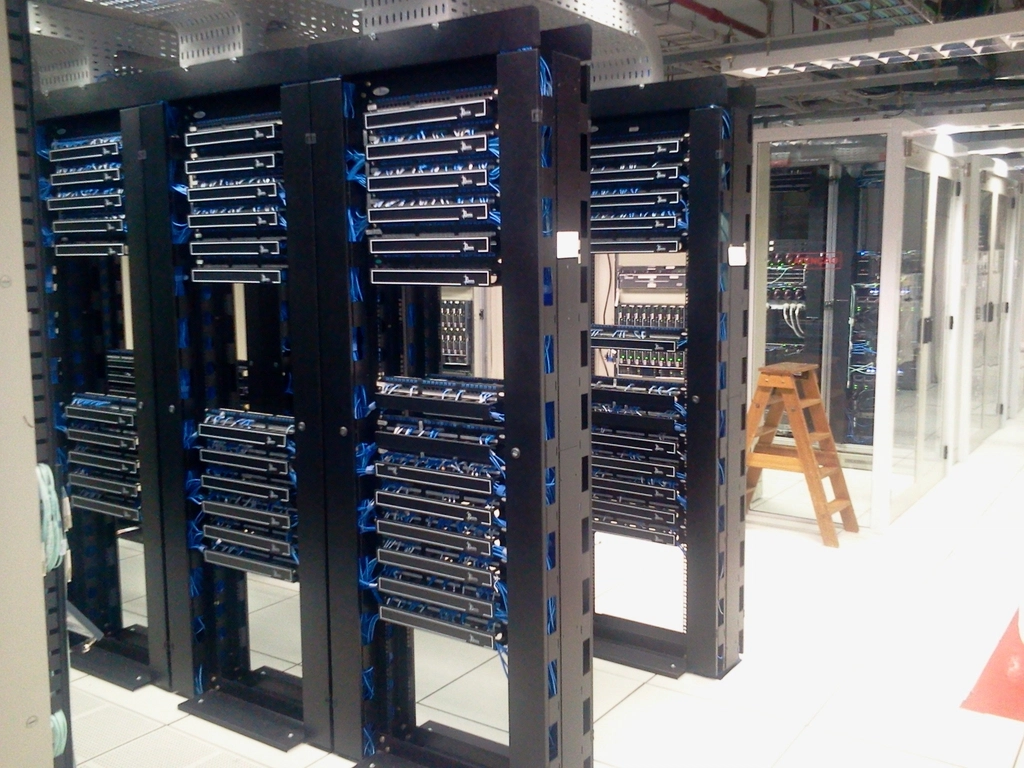
Google and Microsoft are pouring more than $32 billion combined into AI data centers in India — but the same projects meant to power India’s AI ambitions are now tangled in farmer protests, a pending High Court case, and mounting concern over water in some of the country’s driest regions. Google broke ground on a 1-gigawatt, 600-acre AI hub near Visakhapatnam in April 2026 as part of a $15 billion, five-year commitment, while Microsoft is finishing a $17.5 billion buildout anchored by its largest hyperscale cloud region in India, going live in Hyderabad in mid-2026. Here’s what the AI data center boom actually means for India — the real economic upside, and the real legal and environmental fights it has triggered.
How Much Are Google and Microsoft Investing in India’s AI Data Centers?
Microsoft is investing $17.5 billion in India between 2026 and 2029 to build cloud and AI infrastructure, according to Microsoft’s own announcement — its largest single investment in Asia. The centerpiece is the India South Central cloud region in Hyderabad, comprising three availability zones, on track to go live in mid-2026. Google’s commitment, announced separately, is $15 billion over five years (2026–2030) for what it calls India’s first gigawatt-scale AI hub: three data center campuses near Visakhapatnam, Andhra Pradesh, with the foundation stone laid on April 28, 2026, according to Google’s official press release.
What Are the Real Benefits for India?
The economic case for India’s AI data center boom is genuinely large. Industry projections cited by Business Standard estimate that “AI Data Cities” could add $6.8 trillion to India’s GDP and support up to 39 million jobs between 2027 and 2047. At the state level, Uttar Pradesh’s Data Centre Policy 2026 alone is projected to create roughly 7,500 direct long-term jobs and about 50,000 temporary construction-phase jobs. India’s digital economy already grew from 11.7% of GDP in 2022–23 to 13.4% in 2024–25, and hyperscale AI infrastructure is a big part of why the sector is projected to hit $57.67 billion by 2030.
Beyond jobs and GDP, there’s a strategic argument too: local AI infrastructure means India-generated data and AI workloads don’t have to route through servers in the US or Europe, which matters for data sovereignty, latency for domestic AI products, and reducing dependence on foreign cloud capacity for a country racing to build its own AI ecosystem.
Why Are Farmers and Local Communities Protesting?
The benefits are national and long-term; the costs are local and immediate, and that gap is exactly where the backlash is happening. In Tarluvada village near Visakhapatnam, the land for Google’s AI hub belonged largely to Dalit families and farmers. According to reporting from Rest of World and The Business Standard, affected farmers say the compensation offered for their land fell below market value, and Dalit women in particular have organized to refuse acquisition. Their objections center on three things: inadequate compensation, permanent loss of farmland and livelihood, and the environmental toll — specifically water use — in a district that already faces seasonal water stress.
What Is the Legal Status of the Microsoft Data Center Case in Telangana?
A separate legal dispute is playing out in Telangana. In July 2023, 56 residents of Mekaguda village filed a petition in the Telangana High Court against Microsoft and more than 30 other companies and government bodies. The petitioners allege that Microsoft occupied land beyond its approved 22-acre plot and dumped industrial waste into a nearby lake, harming local cattle and livelihoods, according to Rest of World’s investigation. Microsoft has not been found liable by any court, and the hearing remains pending — construction reportedly continued and was roughly 70% complete at last report. It’s an unresolved allegation, not a settled legal finding, but it illustrates the kind of dispute now attached to India’s data center expansion: land boundary and environmental claims that move slower through the courts than the buildings go up.
Water and Electricity: The Hidden Cost of AI Infrastructure
AI data centers are enormous consumers of water (for cooling) and electricity (for the GPU clusters that train and run AI models), and that consumption is a core reason communities are pushing back. Google reported consuming approximately 31 billion litres of water across all of its data centers globally in 2024 — a global figure, not an India-specific one, but indicative of the scale involved. A single 100-megawatt hyperscale facility can draw electricity equivalent to a large village, according to reporting compiled by Mongabay India and CBC News. Andhra Pradesh and Telangana, where much of this new capacity is concentrated, already rank among India’s more water-stressed states in parts of the year, which is precisely why water allocation for cooling systems has become one of the sharpest points of local opposition.
The Regulatory Gap: Why India Has No Dedicated Rules for Data Centers
Part of what makes these disputes hard to resolve is that India’s environmental law doesn’t have a specific category for data centers. Under the current Environment Impact Assessment (EIA) notification, data centers are classified as buildings or township development projects — a category that doesn’t require a public hearing or a draft EIA report before construction begins. A draft national data center policy was floated by India’s Ministry of Electronics and Information Technology back in 2020, but as of 2026 it still hasn’t been finalized. That regulatory gap means the communities most affected by a data center’s water and land footprint currently have no guaranteed legal mechanism to weigh in before the project is approved — which is a big part of why objections are surfacing as street protests and court petitions instead of formal hearings.
What This Means Going Forward
None of this is likely to slow the overall buildout — both Google’s and Microsoft’s projects are proceeding on schedule, and India’s broader push to build homegrown AI infrastructure across every sector shows no sign of slowing either. But the pattern forming around these two projects — large compensation disputes, a pending High Court case, and no dedicated environmental review process — is likely to repeat as more hyperscalers announce Indian campuses through 2030. Whether India finalizes a national data center policy with real public-hearing requirements will probably determine whether the next wave of projects faces the same land and water conflicts, or a more orderly process.
Frequently Asked Questions
How much money are Google and Microsoft investing in Indian data centers?
Microsoft is investing $17.5 billion in India’s cloud and AI infrastructure between 2026 and 2029, and Google is investing $15 billion over 2026–2030 for a gigawatt-scale AI hub near Visakhapatnam — a combined total of more than $32 billion.
Why are farmers protesting AI data centers in India?
Farmers and Dalit communities near Visakhapatnam say compensation for their land is below market value, and they’re concerned about permanent farmland loss and heavy water use for cooling in a region that already faces water stress.
Is there an active legal case against a tech company over a data center in India?
Yes. A petition filed by 56 residents of Mekaguda village, Telangana, against Microsoft and other parties in the Telangana High Court alleges illegal land encroachment and industrial waste dumping. The case is still pending and Microsoft has not been found liable.
Do data centers require environmental clearance in India?
Not a dedicated one. Data centers are currently classified under India’s Environment Impact Assessment notification as buildings or township developments, a category that doesn’t require a public hearing or draft environmental impact report.
What economic benefit is India expected to get from AI data centers?
Industry estimates suggest AI-driven data center growth could add $6.8 trillion to India’s GDP and support up to 39 million jobs by 2047, alongside tens of thousands of direct and construction-phase jobs from individual state policies.